
When starting a new project or commissioning a paint job, understanding wargaming scales and materials is one of the first technical hurdles you will face. For beginners, the difference between “28mm” and “Heroic 28mm” can be confusing. For experienced hobbyists, choosing between resin and plastic can define the entire assembly and painting process.
In this guide, we break down the industry standards to help you choose the right miniatures — and explain how these choices affect the final painted result.
Table of Contents
1. Scale vs. Proportion: The General’s Choice
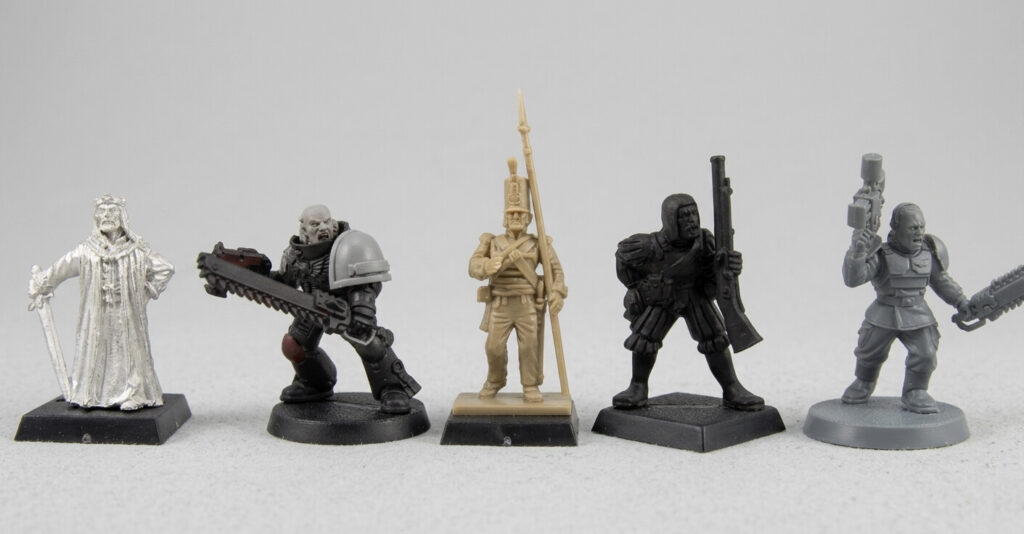
In wargaming, scale is typically measured from the base of the foot to the eye level of a human-sized model. However, there is an important nuance: proportion.
True Scale:
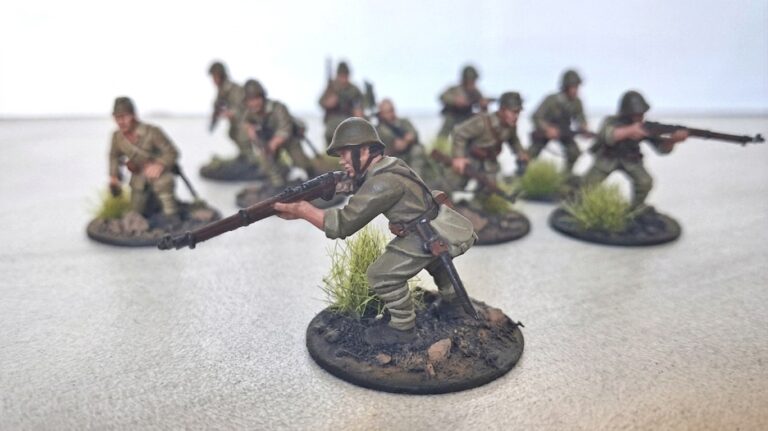
Designed to mimic realistic human anatomy and proportions, meaning heads, hands, and weapons are sized as they would be in real life. Common in historical miniatures and ranges such as Bolt Action or Perry Miniatures.
Heroic Scale:
Features exaggerated heads, hands, and weapons. This stylistic choice improves readability on the tabletop, making details easier to distinguish during actual gameplay, even from a distance. It is a hallmark of games like Warhammer 40,000.
It’s also worth noting that scale labels are approximate. For example, “28mm” usually corresponds roughly to 1:56–1:60 scale, though this varies between manufacturers.
Common Scales in the Hobby
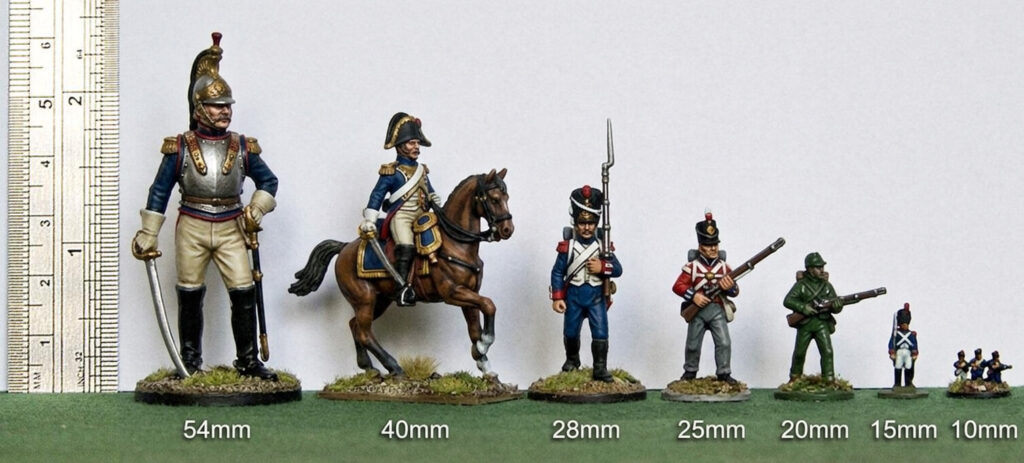
6mm – 10mm (Epic Scale):
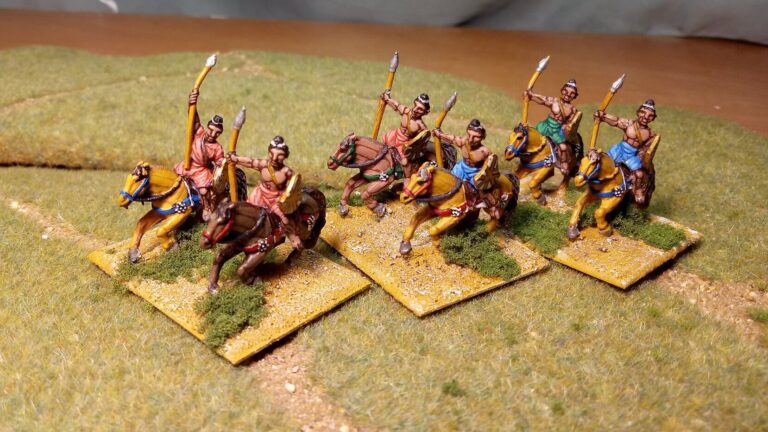
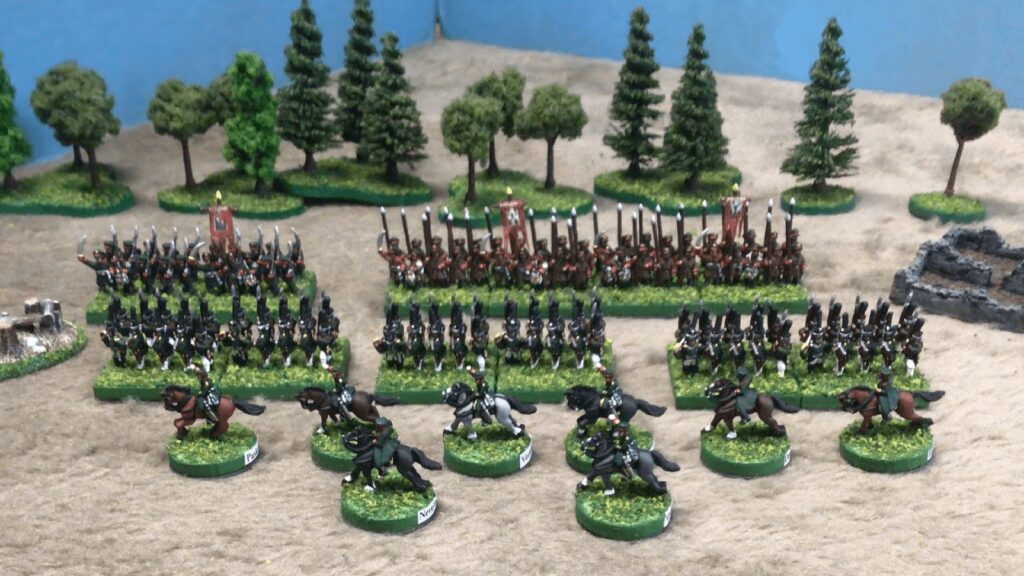
Ideal for massive battles where entire brigades or divisions are represented, often with multiple soldiers modeled together on a single base. Frequently used in historical systems (Napoleonic, Ancient, WWII) where battlefield scale matters more than individual detail.
15mm:
A long-standing standard for historical wargaming, especially WWII (e.g., Flames of War). It offers an excellent balance between army size, cost, and paintability, allowing players to field large forces without overwhelming painting time.
28mm – 32mm (Industry Standard):
The most popular scale across the hobby. Widely used in skirmish games and RPGs (like D&D), but also very common in historical wargaming — including Napoleonic and Ancient systems — for players who prefer more detailed, characterful miniatures over sheer army size.
54mm – 75mm:
Primarily display-oriented scales. These miniatures are often chosen by collectors and painters who want to push realism, smooth blending, and fine detail to the highest level, rather than for regular gameplay.
2. Materials: Understanding the Canvas
As discussed in our guide on preparing miniatures for painting, the material directly affects how a model is assembled, primed, and painted.
High-Impact Polystyrene (Plastic):
The most common modern material (used by companies like Games Workshop and Victrix). Durable, beginner-friendly, and ideal for clean assembly. Mold lines are usually minimal and easy to remove, making it a great starting point for newcomers.
Resin (Cast & 3D Printed):
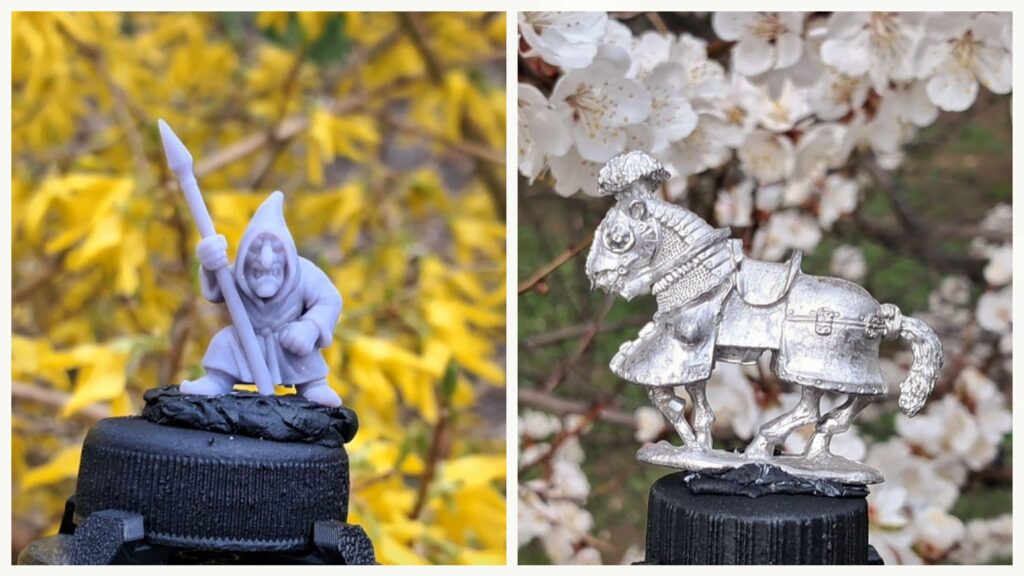
Known for capturing extremely fine detail, especially organic textures like cloth or skin. However, resin requires more careful preparation in practice:
- Mold lines, casting gates, or 3D print supports must be removed
- Models should always be washed in soapy water to remove release agents
If skipped, primer may not adhere properly and can peel or behave unpredictably.
3D-printed resin, in particular, can be more brittle than traditional cast resin and requires careful handling during assembly and use.
White Metal:
The classic material of the hobby. Heavier and more durable structurally, but paint is more prone to chipping during gameplay due to the hard surface. Proper priming and varnishing are essential. Many collectors still appreciate metal miniatures for their weight and nostalgic appeal.
3. How Wargaming Scales and Materials Influences Painting Quality
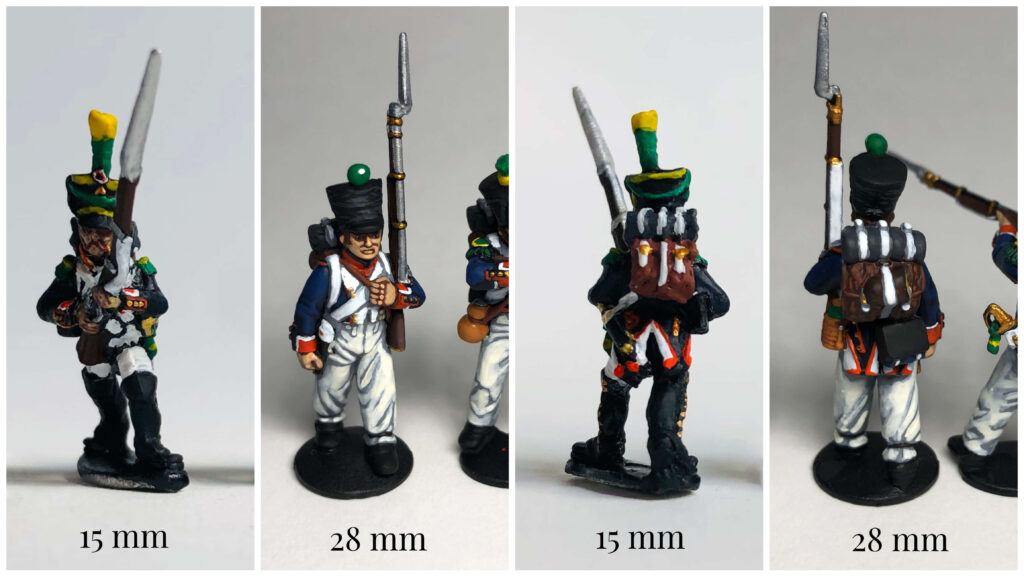
At Old Guard Painters, we typically divide our work into Wargame Quality and Collector’s Quality. The scale of the miniature often determines which approach is most effective.
Contrast in Small Scales (15mm and below):
To make details readable at arm’s length, we use forced contrast — intentionally exaggerating shadows and highlights so that details remain visible from a distance during gameplay. Many of the core miniature painting techniques used to achieve this are covered in more detail in our guide to core miniature painting techniques. At smaller scales, strict realism is often sacrificed in favor of clarity.
Detail in Larger Scales (28mm and above):
Larger miniatures allow for advanced techniques such as:
- Smooth blending and layering
- Weathering effects (dust, rust, wear)
- Freehand insignia and markings
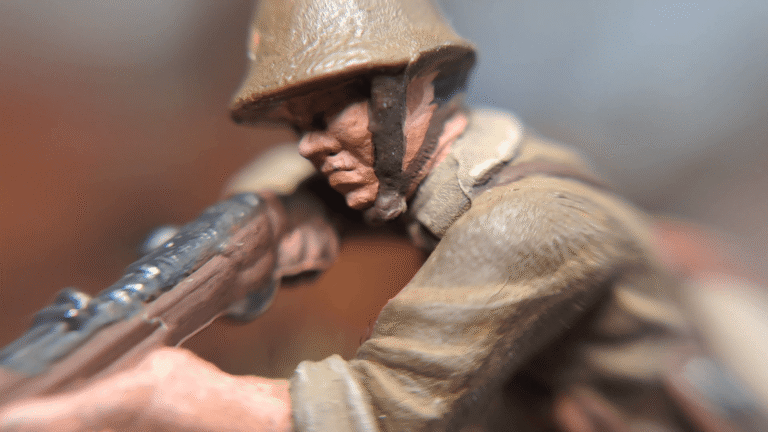
- More realistic skin tones and fabric textures
These techniques are more visible and impactful due to the increased surface area.
Faces and skin become increasingly important as scale increases. Our guide to painting faces and skin on miniatures explores these techniques in more detail.
Durability for Gaming Use:
Regardless of scale or material, gaming miniatures must withstand regular handling during games, as well as transport and storage. We apply carefully selected varnishes that protect the paintwork without muting colors or fine detail.
Expert Painting for Every Scale
Choosing the right miniature is only the first step — bringing it to life with professional painting is what completes the experience.
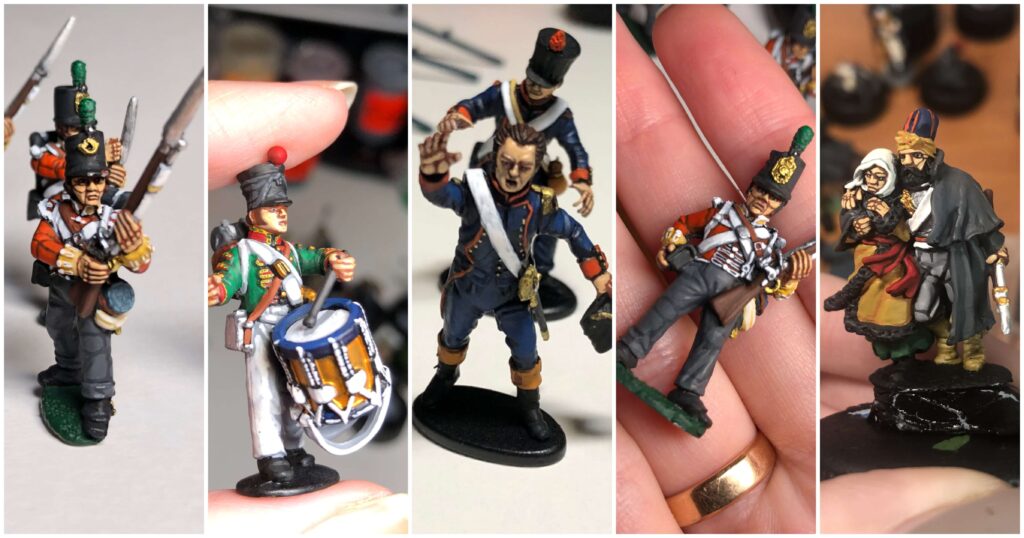
Whether you have a single 75mm display piece or an entire 10mm army, our studio approaches each project with techniques tailored to its scale and material.
We don’t just paint miniatures — we prepare them according to best industry practices, ensuring every mold line is removed and every primer coat is applied for maximum durability and finish quality.
Looking to bring your collection to life?
Explore our pricing options or contact us for a custom quote — we’ll help you choose the best approach for your miniatures and ensure they look their absolute best on the tabletop or in the display case.