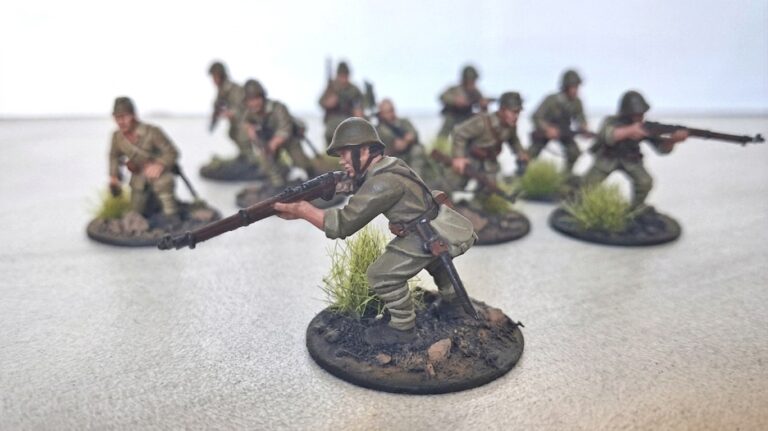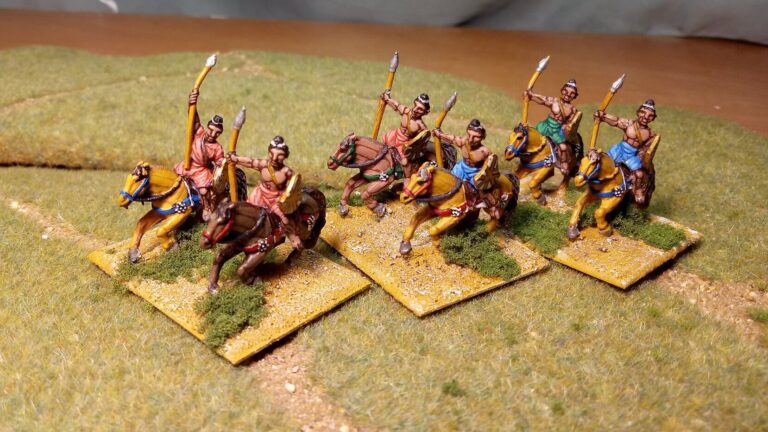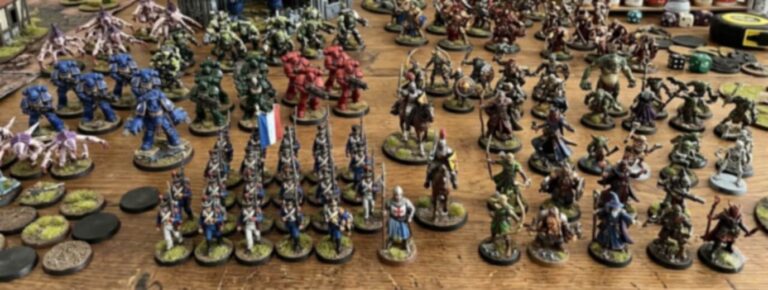

Painting faces on miniatures can feel intimidating, especially for beginners. The face is often the first thing people notice on a miniature, and many hobbyists worry that it requires advanced techniques or extremely fine brushwork.
In reality, convincing faces are built using the same principles found throughout miniature painting: clean basecoats, controlled shading, and simple highlights. Even at 28mm scale, a few well-placed layers are usually enough to create character and bring a model to life.
The exact level of detail will naturally vary depending on scale, but the goal remains the same: achieving good contrast and readability rather than chasing perfection.
Table of Contents
Why Faces Matter More Than You Think
Faces naturally draw attention. Even on historical miniatures covered in equipment and uniforms, the viewer’s eye tends to focus on the head first.
Because of this, a simple but well-painted face often has a greater impact than adding extra details elsewhere. Strong contrast and clean brushwork usually matter far more than perfectly smooth blends or tiny details that are barely visible during normal gameplay.
For tabletop miniatures, readability should always take priority over complexity.
Starting with a Solid Basecoat
Like every other part of a miniature, faces begin with a good basecoat.
Paint should be slightly thinned so that it flows smoothly and preserves fine details. Applying two thin coats is generally better than one thick layer. Thick paint can quickly obscure noses, mouths, and cheekbones, making later stages much more difficult.
There is no need to start with complicated mixtures. A reliable flesh tone from any miniature paint range provides an excellent foundation. More advanced color variations can always be added later.
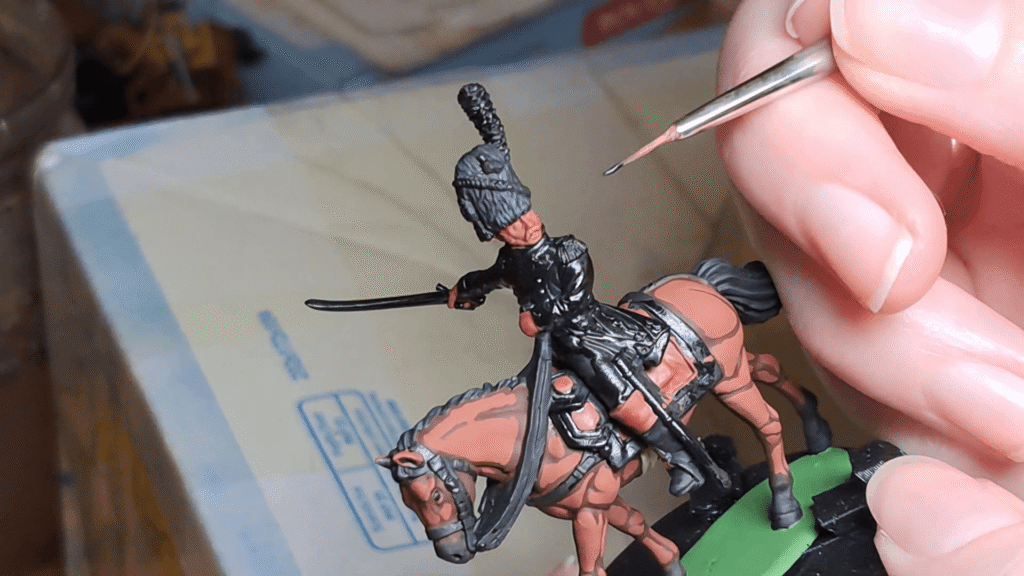
Good preparation also contributes to cleaner results. Proper priming and surface preparation are covered in more detail in our guide to preparing miniatures for painting.
Washes: Creating Depth with Minimal Effort
A wash is one of the simplest ways to add definition to a face.
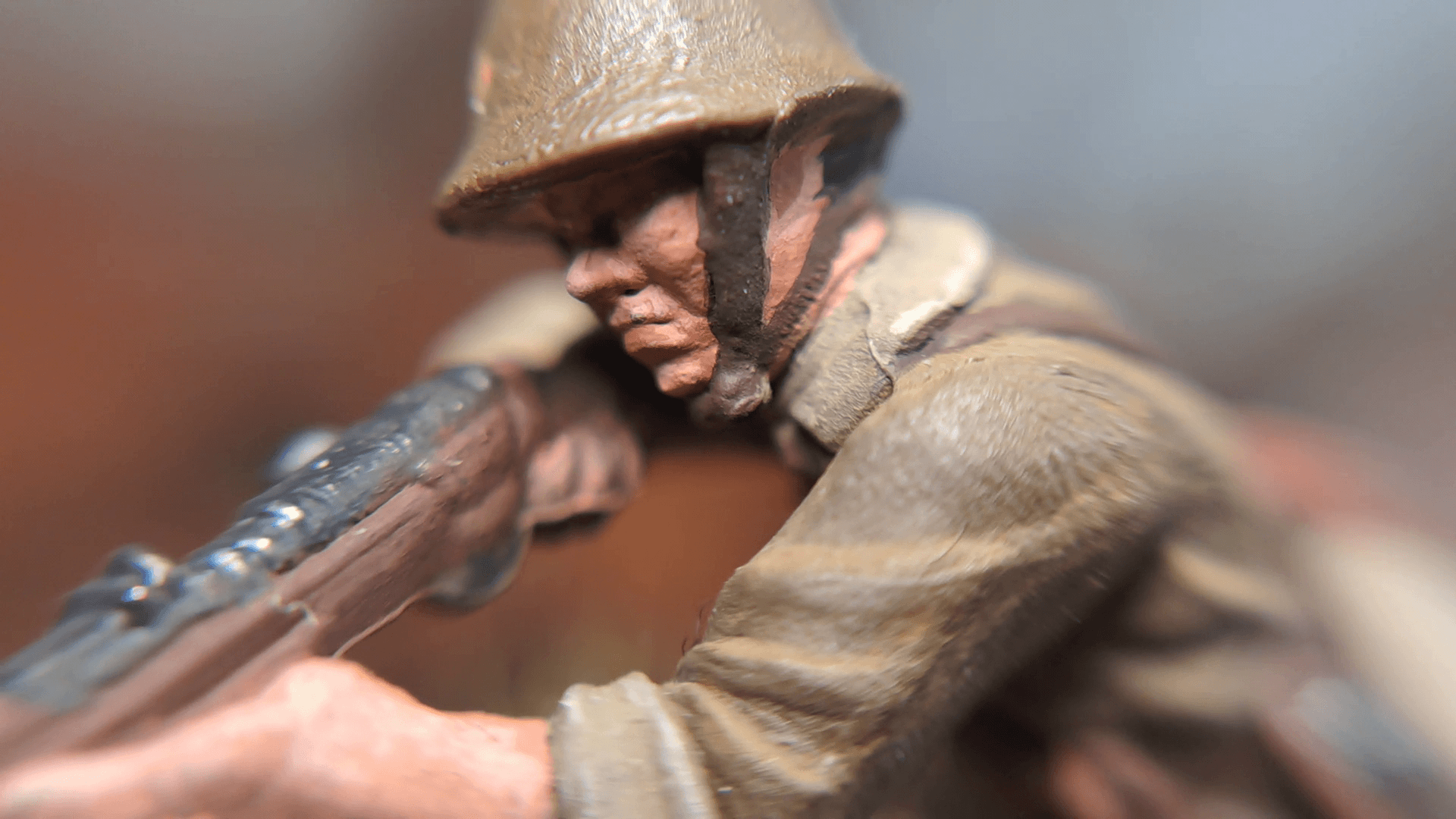
Applied over a fully dry basecoat, it naturally settles into eye sockets, around the mouth, beneath the cheekbones, and between facial features. This creates shadows and instantly adds depth with very little effort.
Brown washes are often preferred over black because they produce softer and more natural shadows. On historical miniatures, subtlety generally works better than strong contrast.
Control remains important. Excess wash can pool and create dark stains or glossy patches. If necessary, excess wash can be removed with a clean, damp brush while it is still wet.
Even this simple step alone can transform a flat-looking face into something much more convincing.
Layering and Highlights
After shading, highlights bring light back to the face and restore contrast.
Using the original base color, gently layer raised areas while leaving the darker recesses visible. A lighter flesh tone can then be applied sparingly to the most prominent areas:
- Nose
- Cheekbones
- Chin
- Brow
- Ears
Perfect blends are not necessary. At tabletop distance, clear contrast is usually more important than subtle transitions.
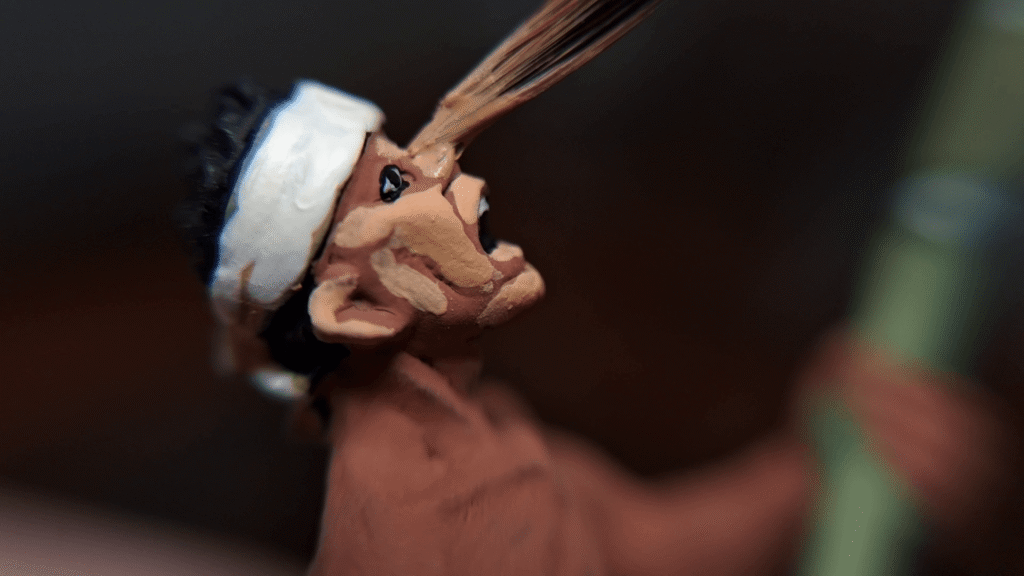
On smaller scales, one or two highlight steps are often enough to achieve a convincing result.
A Note on “Lining” and Readability
As with uniforms and equipment, facial features benefit from clear separation.
The shadows created by washes and careful layering naturally leave darker areas between the nose, mouth, cheeks, and eyes. These dark recesses help define the face and prevent everything from blending together into a single flat color.
Many painters refer to this effect as “lining,” although it is usually achieved simply by preserving shadows rather than painting black lines intentionally.
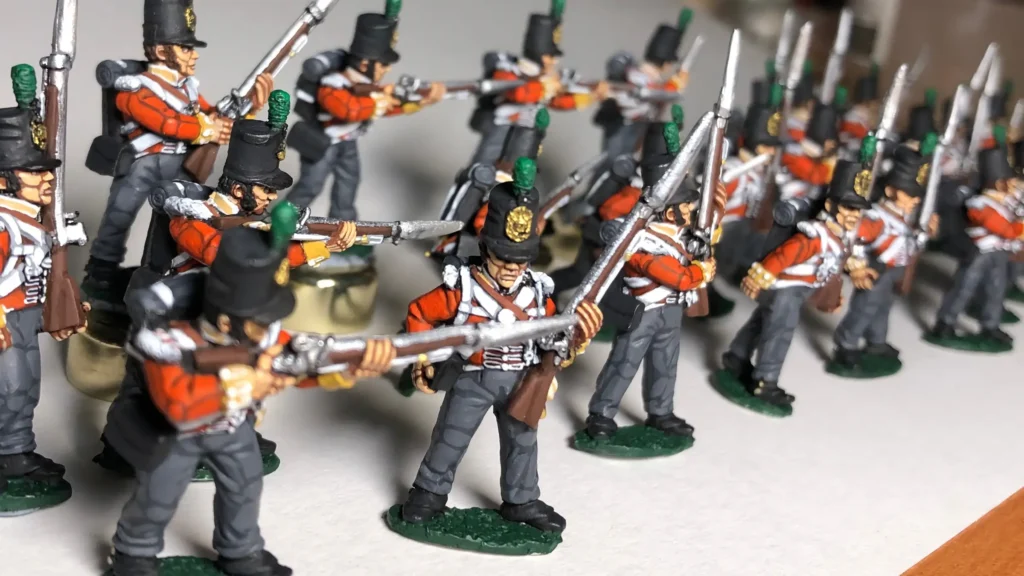
Good readability matters far more than absolute realism, especially at tabletop distance.
Eyes: Optional, Not Mandatory
Many beginners assume that eyes are the most important part of painting faces. In reality, they are often one of the least important details.
At smaller scales such as 15mm, eyes are usually omitted entirely. Even many experienced historical painters leave eyes unpainted on 28mm miniatures, relying instead on shadows to suggest depth.
Trying to paint tiny white eyeballs frequently creates exaggerated expressions or gives the miniature an unnatural appearance. In practice, a poorly painted eye attracts far more attention than no eye at all.
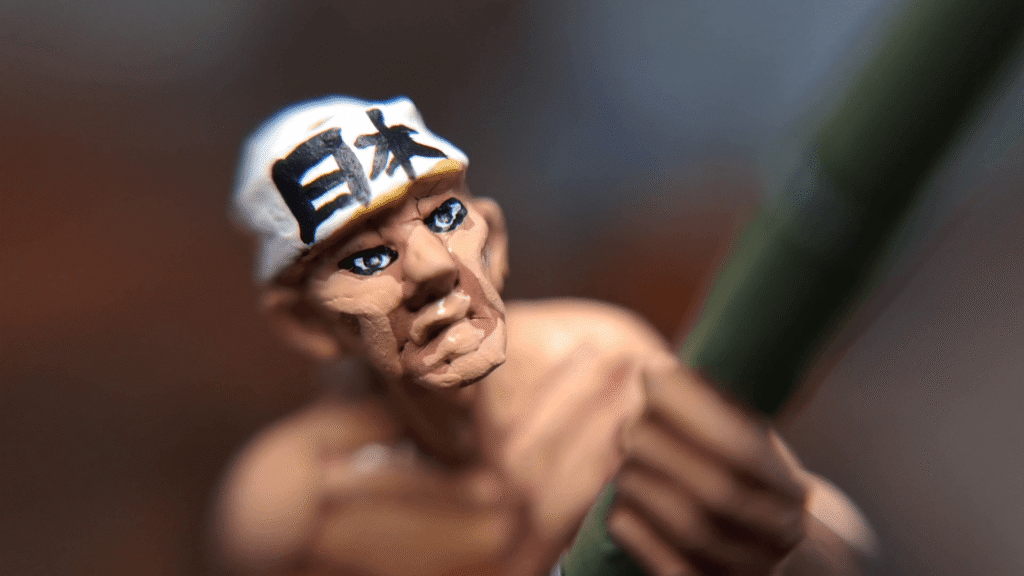
How Some of Our Painters Paint Eyes
When painting 28mm eyes, some of our painters use a simple three-step method that gives good results without requiring extremely fine detail.
First, a thin black line is painted across the eye. Besides creating the shadow around the eye, this also suggests eyelashes and gives the eyes more depth.
Next, a slightly off-white or creamy color is applied inside the dark area. Pure white can look too stark, so a warm, slightly muted white usually produces a more natural result.
Finally, a small black dot is added for the pupil. At this scale, the pupil does not need to be perfectly centered or perfectly round — the goal is simply to create a clear, readable eye.
Want to see the process in practice? Watch our miniature painting session and see this eye-painting technique in close-up at 19:19.
If you decide to paint eyes, keep them subtle. Tiny dark lines or dots are often enough.
Skin Tone Variations
Human skin is not a single color. Even simple variations can add personality and realism to a miniature.
Fair skin tones work well for many European historical subjects, while slightly warmer or tanned tones can help create more variety across a unit.
Campaign veterans, sailors, and cavalrymen often benefit from darker, more weathered complexions. Adding a little red or brown into the shadows can help create a rugged appearance without introducing unnecessary complexity.
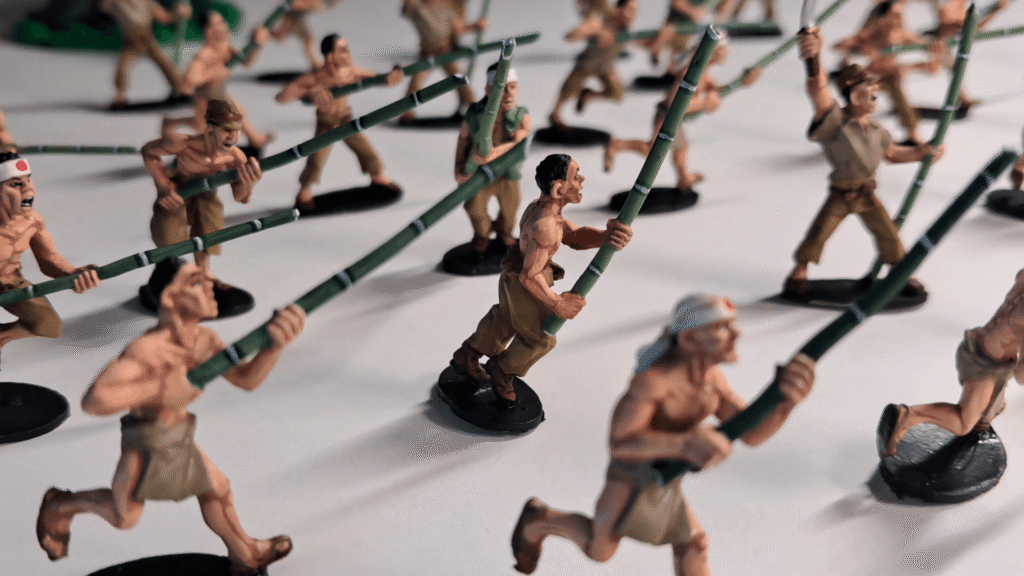
The goal is not perfect realism, but believable variation.
Beards, Stubble, and Character
Small details can add a surprising amount of personality to a miniature.
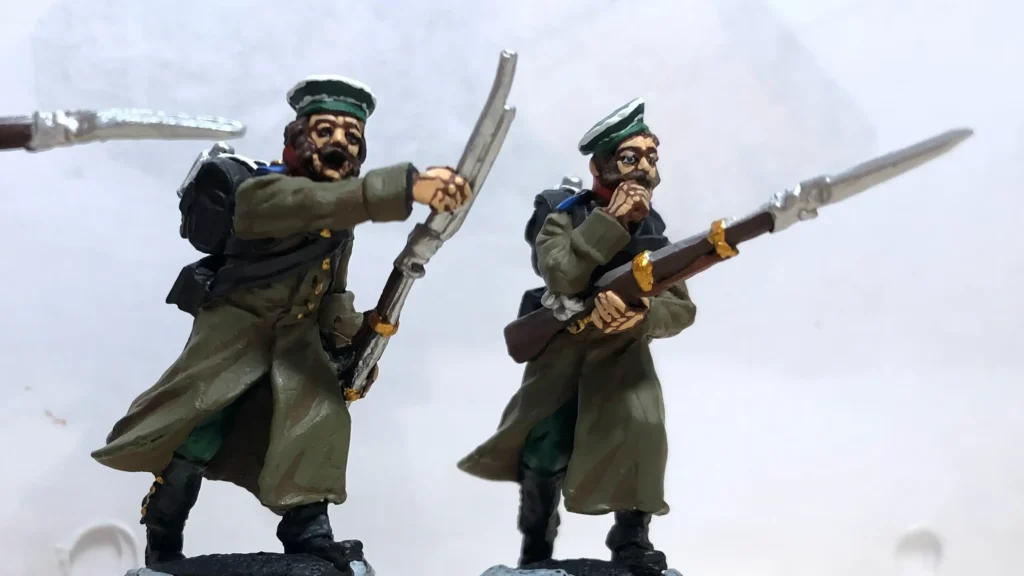
A thin grey-brown glaze applied around the chin and cheeks can create convincing stubble without painting individual hairs. Mustaches and beards can be highlighted just like hair, using slightly lighter tones on raised areas.
These details do not need to be elaborate. Even subtle color variation can make different soldiers feel like individuals rather than identical copies.
Scale Matters
The amount of detail possible depends heavily on scale.
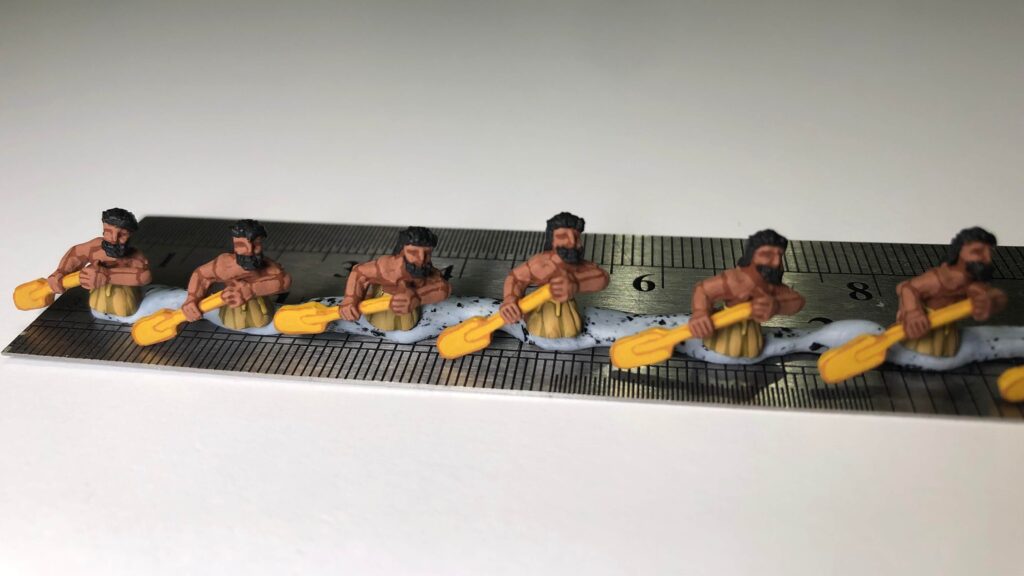
At 15mm and below, faces are usually simplified. Strong contrast and readable highlights matter much more than individual features.
At 28mm, basic highlights and subtle skin variations become more visible and rewarding.
Larger display scales such as 54mm or 75mm offer much more room for advanced blending and realistic skin transitions.
Understanding how scale affects painting is just as important as understanding the techniques themselves. This relationship is explored further in our guide to wargaming scales and materials.
How Faces Fit into the Overall Painting Process
- Faces are not a separate discipline. They rely on the same core principles used throughout miniature painting.
- Basecoats establish the foundation, washes create shadows, and highlights restore contrast. These methods are covered in greater detail in our guide to core miniature painting techniques.
- Most painters simply complete faces as part of their normal workflow rather than treating them as a completely separate project.
- Consistency and clean execution are usually more valuable than adding extra complexity.
Common Mistakes
Several problems appear regularly when painting faces:
Paint Too Thick
Fine facial features quickly disappear under heavy paint layers and are difficult to recover.
Too Much Wash
Excess wash creates dark stains and unnatural shadows.
Highlights That Are Too Bright
Very bright highlights can make faces appear chalky and unrealistic.
Pure White Eyes
Large white eyes often create exaggerated expressions and distract from the rest of the miniature.
Trying to Paint Invisible Details
Not every scale requires every detail. Attempting to paint features that cannot realistically be seen often creates more problems than it solves.
Final Thoughts
Painting faces does not require extraordinary brush control or complicated techniques. Good results come from the same principles that apply to the rest of miniature painting: clean basecoats, controlled shading, and simple highlights.
At tabletop distance, contrast and readability matter far more than perfection. A face does not need to be flawless to look convincing. In many cases, a few carefully placed shadows and highlights are enough to bring personality and character to an entire miniature.
As with most aspects of the hobby, consistency matters far more than complexity.